Westminster Council Parking Permits for Marylebone Moves
Posted on 26/06/2026

If you are planning a move in Marylebone, parking is often the bit that looks simple until the van turns up and there is nowhere legal to stop. Westminster Council parking permits for Marylebone moves can make the difference between a calm moving day and a stressful one with delays, extra carrying distance, or even penalty charges. In a neighbourhood where streets can be tight, bays busy, and timing everything, getting the parking side right is not a small detail. It is the difference between a move that flows and one that feels like a scramble.
This guide breaks down what parking permits are likely to matter, how the process generally works, who needs to think about it, and how to avoid the usual mistakes. Along the way, we will keep it practical. Because let's face it, nobody wants to spend moving day standing on the pavement debating kerb space.
- Why Westminster Council Parking Permits for Marylebone Moves Matters
- How Westminster Council Parking Permits for Marylebone Moves Works
- Key Benefits and Practical Advantages
- Who This Is For and When It Makes Sense
- Step-by-Step Guidance
- Expert Tips for Better Results
- Common Mistakes to Avoid
- Tools, Resources and Recommendations
- Law, Compliance, Standards, or Best Practice
- Options, Methods, or Comparison Table
- Case Study or Real-World Example
- Practical Checklist
- Conclusion
- Frequently Asked Questions
Why Westminster Council Parking Permits for Marylebone Moves Matters
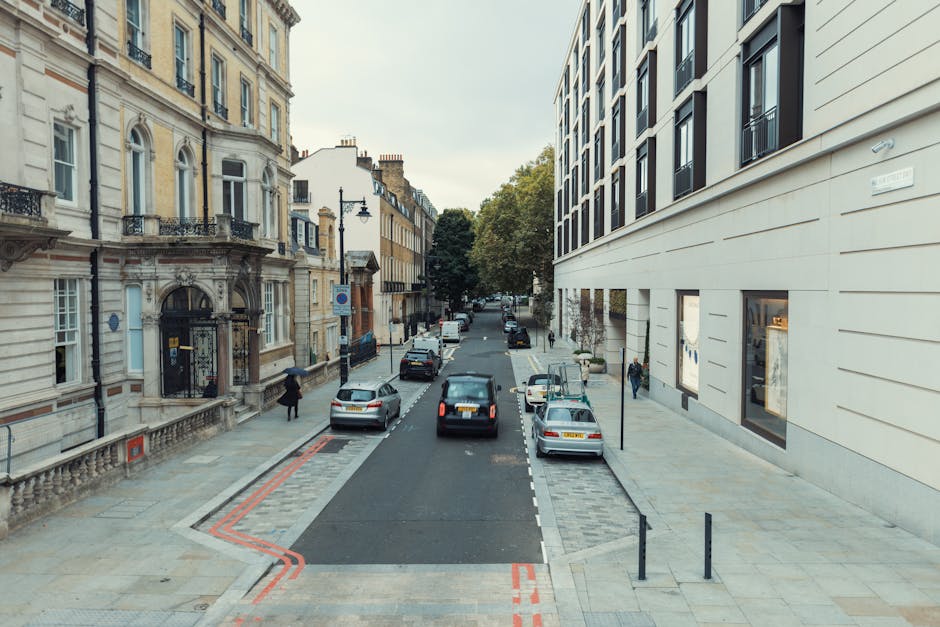
Marylebone is not the kind of place where you can assume a removal van will just pull up outside and wait. Streets around the W1 area can be narrow, heavily used, and lined with restrictions that are easy to miss if you are only thinking about boxes and furniture. In practice, the parking arrangement is part of the move itself.
For house moves, flat moves, or office relocations, the challenge is usually the same: your team needs safe, lawful access close to the entrance. If a van has to park too far away, every item has to be carried further. That may not sound dramatic, but a few extra minutes on each load soon becomes a real issue when you are moving a sofa, a wardrobe, and a stack of boxes up or down stairs.
Parking controls also matter because Marylebone is busy enough on an ordinary weekday. Add school runs, deliveries, tradespeople, and commuters, and the margin for error gets very slim. A moving crew with the wrong assumption can end up circling the block, losing time, or working around a restriction they should have planned for. That is why parking should be checked early, not the night before when your kettle is already packed.
If you are also thinking about route planning, access, or timing, related local guidance can help. Many movers find it useful to look at narrow access moves on W1 streets and Marylebone High Street route tips before the date is fixed.
How Westminster Council Parking Permits for Marylebone Moves Works
The exact arrangement will depend on the street, the type of vehicle, and the timing of your move, but the basic idea is straightforward. If a removal van or any other vehicle needs to stop in a controlled parking area, a permit or booking may be required to avoid enforcement issues. In Westminster, that usually means checking whether the bay, kerbside area, or time slot you want is actually available for your move.
There are a few moving parts here. First, you need to know the address and the access point. Second, you need to identify the parking restrictions on that street. Third, you need to allow enough time for loading and unloading. Sometimes people focus only on the destination property and forget the origin address too. Truth be told, both ends matter.
Some moves can be managed with a straightforward short stop, while others need more careful planning because of double yellow lines, limited waiting periods, resident bays, loading restrictions, or busy single-lane access. If the move involves a larger van, bulky furniture, or multiple trips, the parking requirement becomes even more important.
A good removal plan also factors in whether a van can be positioned close enough for the team to work safely. That may sound obvious, but on a tight Marylebone street it is not always obvious at all. A few metres can change the whole rhythm of the day.
If your move involves a one-bedroom flat, a family home, or a business relocation, you may want to compare the parking situation with the broader service needs in removals in Marylebone or office removals for local businesses. The access question is often different for each.
Key Benefits and Practical Advantages
Getting the parking side right may not feel glamorous, but it gives you very real advantages on moving day.
- Less delay: The crew can start loading or unloading sooner if the vehicle is already positioned legally and near the door.
- Lower stress: You are not trying to solve a parking problem while also handling keys, boxes, and building access.
- Better safety: Shorter carrying distances reduce the chance of damage or strain.
- Cleaner timing: Moves are easier to schedule around lift bookings, access windows, and building rules.
- Reduced risk of penalties: A permit or correct parking arrangement helps avoid unnecessary enforcement problems.
There is also a hidden advantage that people overlook: smoother parking helps protect your relationship with neighbours and building managers. Nobody enjoys a van blocking half the street at 8:00 in the morning, especially when the driver is still searching for a place to stop. A tidy, pre-planned arrangement simply feels more professional.
For people comparing moving options, this can also make a difference to pricing and expectations. If a move is easier to access, it may be quicker to complete. If access is awkward, it can take longer and need more manpower. That is why it is sensible to review pricing and quotes alongside the parking plan, not separately.
Who This Is For and When It Makes Sense
This matters for just about anyone moving in or out of Marylebone, but some situations make parking planning especially important:
- Flat movers: Apartment buildings often have tighter access and stricter timing.
- House movers: Larger moves usually need a van parked close for longer periods.
- Office relocations: Business moves often happen on a schedule, with less flexibility.
- Student moves: Even small loads can become awkward on narrow streets if you cannot stop close by.
- Last-minute or same-day moves: These can be especially tricky if parking was not arranged in advance.
It makes sense too for landlords, estate agents, and people helping relatives with a move. Sometimes the person booking the van is not the person dealing with the street. That is where mistakes creep in.
To be fair, if you are only moving one or two items in a very small vehicle, you may not need a complex parking arrangement. But even then, it is wise to check the street situation. A "quick stop" can still become a problem if the bay is restricted or the road is monitored closely.
For smaller jobs, man with a van in Marylebone can sometimes be a sensible fit. For heavier loads, furniture removals or house removals may be more appropriate because the vehicle size and loading time are planned more carefully.
Step-by-Step Guidance
If you want the parking side of your move to go smoothly, use a methodical approach. Nothing fancy. Just steady and practical.
- Confirm both addresses. Check the origin and destination, not just where you are moving to.
- Identify the parking restrictions. Look at bay types, loading allowances, and any time limits on the street.
- Estimate loading time realistically. A one-bedroom flat may be quick, but stairs, lifts, and packing quality all change the picture.
- Match the vehicle to the access. A larger van may save trips, but it can be harder to place on a busy road.
- Plan for building rules. Some blocks need lift protection, access codes, or concierge coordination.
- Build in a buffer. A move rarely runs perfectly to the minute. Leave breathing room.
- Confirm the permit or parking arrangement early. Do not leave this until moving day.
- Share details with the movers. They need the access notes, not just the postcode.
A small detail can save a lot of hassle. For example, if the front entrance is on a side street but the permit was arranged for the main road, you may still be making long carries. That is the sort of thing that sounds minor on paper and feels very different at 10:30am with a wardrobe in your hands.
If packing is still underway, it may help to combine this with good preparation using packing and boxes in Marylebone and, where needed, temporary storage options. Fewer loose items means faster loading, which can ease parking pressure too.
Expert Tips for Better Results
Here is the practical advice that tends to make the biggest difference.
1. Treat parking as a moving-day asset. People usually think of it as admin. In reality, it shapes the whole operation. A well-placed van reduces walking time, noise, and friction with the street.
2. Use the quietest workable time slot. In Marylebone, early daytime moves can be easier than the middle of the day, though the best time depends on the street. The point is to avoid peak pressure where possible.
3. Photograph the access point. A few quick pictures of the street, kerb, and entrance can help the moving team understand what they are dealing with. It sounds old-fashioned, but it works.
4. Keep one person free to manage parking details. If everyone is carrying boxes, nobody is left to deal with the van position or building access. That gap matters more than people expect.
5. Ask about awkward items early. Bulky sofas, pianos, mirrors, or large desks can change the loading pattern. If your move includes unusual items, review bulky furniture moves in Marylebone or piano removals for a more realistic picture.
6. Keep your paperwork together. Permit confirmation, building contact details, move date, and any access codes should live in one place. Not scattered across emails, notes, and a WhatsApp thread from last week. We have all been there.
Expert summary: the smoother your parking arrangement, the more of your budget and energy goes into the actual move, rather than into avoidable delays, awkward carries, or last-minute improvisation.
If you are comparing companies, it is also worth looking at how clearly they explain their process. Pages like removal companies in Marylebone and transparent pricing in Marylebone can help you judge whether the service feels organised or vague.
Common Mistakes to Avoid
Most parking problems come from assumptions. Usually one of these:
- Leaving it too late: Parking details are checked the day before, when changes are already harder to make.
- Assuming the van can "just wait": In controlled areas, that can be a costly mistake.
- Ignoring the collection side: The old address can be just as restrictive as the new one.
- Choosing a vehicle without thinking about the street: Bigger is not always better if the road is tight.
- Forgetting the building rules: Lift bookings, concierge timings, and access hours can affect the parking plan.
- Not checking for same-day changes: Roadworks, deliveries, and event traffic can change conditions at short notice.
A very common one is the "we'll sort it when we arrive" approach. That works on some roads. In Marylebone, not so much.
Another mistake is not aligning the parking plan with the removal type. A simple flat move is different from a large family house relocation or an office move. If the schedule is tight, you might want to consider flat removals or office removals depending on the property and load.
Tools, Resources and Recommendations
You do not need a complicated toolkit, but a few basic resources make life easier.
- Street photos: Useful for showing access points and bay layout.
- Move inventory: A simple list of what is being moved helps estimate time.
- Building contact details: Handy if access needs to be coordinated with a porter or manager.
- Floor and lift notes: Important in mansion blocks and apartment buildings.
- Parking notes: Record what was checked, what was booked, and when.
For planning the move itself, local pages on services overview, removal services in Marylebone, and man with a van Marylebone are useful because they help you match the job size to the right transport and crew.
If your move has a tight turnaround, a page on same day removals may also be relevant, though you should expect parking planning to be even more important in that scenario.
Law, Compliance, Standards, or Best Practice
Parking and loading in London is regulated, and local restrictions should be taken seriously. Even when a move feels urgent, you still need to comply with the street rules that apply to the vehicle and location. That includes respecting bays, times, and any loading restrictions that exist on the day.
It is also good practice to use only the access arrangements that are suitable for the street and the vehicle involved. If a removal company suggests taking a risk with a bay or stopping position, pause and ask whether there is a lawful alternative. A short delay is better than a penalty or a complaint from the building next door.
From a service perspective, best practice usually means:
- checking parking and access before confirming the booking
- allowing extra time for tight streets and stairs
- sharing honest move details so the plan is realistic
- using appropriately insured vehicles and trained handlers
- keeping communication clear if conditions change
That last one matters. Moves in Marylebone are rarely improved by guesswork. The neatest jobs are the ones where the team knows the street, the route, and the parking reality before the first box is lifted.
Options, Methods, or Comparison Table
Different parking approaches suit different moves. This comparison is a helpful starting point.
| Approach | Best for | Pros | Watch-outs |
|---|---|---|---|
| Short legal loading stop | Very small moves, quick drops, light loads | Simple, fast if the timing fits | Not suitable for longer jobs or busy streets |
| Pre-arranged permit or booked access | Flat moves, house moves, longer loading windows | More control, fewer surprises | Needs early planning and accurate details |
| Flexible man and van setup | Smaller or partial moves | Practical and often easier to schedule | Still needs proper street checks |
| Larger removal vehicle with full planning | Full home or office relocations | Efficient for heavier loads | Harder to place on narrow roads without care |
If you are still deciding which route suits your move, comparing a man with a van setup against a fuller house removal service is often the quickest way to narrow it down. Different jobs, different parking pressures.
Case Study or Real-World Example
Picture a typical Marylebone flat move. The tenants are leaving a two-bedroom apartment on a side street near a busy route, with a lift that is small enough to be helpful but not generous. There are several boxes, a bed frame, a sofa, and a dining table. Nothing outrageous, but enough to need a proper van stop.
The first instinct is often to assume the van can park just outside for an hour or so. Then the street reality appears: limited waiting, a narrow carriageway, deliveries arriving around the same time, and not much room to improvise. If the parking had been left to chance, the crew might have had to wait around, move the van twice, or carry items from farther away than expected.
Instead, the move works best when the parking position is considered alongside the route and access. The removal team knows where to stop, the tenants know which boxes go first, and the building knows the collection time. The whole thing feels boring in the best possible way. Which, for a move, is exactly what you want.
That kind of planning often sits behind smooth local moves, especially where streets are tight or access is awkward. If you want more background on local street patterns, living in Marylebone and the quieter side of Marylebone both give a helpful sense of the area's character.
Practical Checklist
Use this before moving day. Keep it simple.
- Confirm both addresses and access points
- Check parking restrictions at both ends of the move
- Estimate loading and unloading time realistically
- Match the vehicle size to the street conditions
- Share building access rules with the movers
- Book lift times or concierge windows if needed
- Prepare a clear inventory of large items
- Photograph the street and entrance if helpful
- Keep permit or parking confirmation handy
- Have one person responsible for last-minute coordination
A final practical note: if you are moving after a sale, rental handover, or a busy transition period, it can help to read home selling tips for Marylebone or property investment insights in Marylebone to understand the timing pressures around local property changes.
Conclusion
Westminster Council parking permits for Marylebone moves are not just a box to tick. They are part of making the day work properly. When the parking is organised, the move tends to feel calmer, safer, and far less chaotic. When it is not, everything else gets harder than it needs to be.
The good news is that this is very manageable if you plan early, check the street conditions carefully, and match the parking arrangement to the type of move you are actually doing. Small flat move? Different needs. Big house move? Different again. Office relocation? Yet another story. That is normal.
If you want expert help coordinating the moving side of things, it is worth speaking to a team that understands Marylebone streets, access points, and the practical realities of parking in Westminster. A good local mover will make the process feel less like a puzzle and more like a job with a clear plan.
Get a free quote today and see how much you can save.
And if the only thing you manage on moving day is getting the kettle out first, honestly, that is still a win.