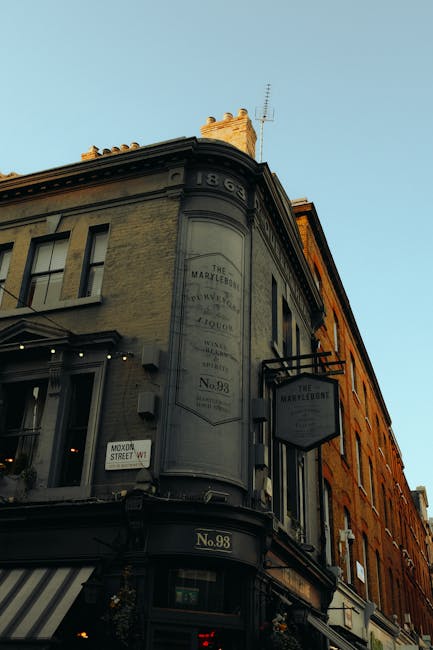
Understanding Narrow-Access Moves on W1 Streets
Posted on 10/06/2026
If you have ever stood outside a W1 townhouse, mews flat, or converted mansion block and thought, "How on earth is a removal van supposed to get in here?", you already understand the heart of the problem. Understanding Narrow-Access Moves on W1 Streets is really about making difficult London removals feel calm, controlled, and safe, even when the street is tight, the parking is awkward, and the staircase feels like it was designed by someone with no furniture in mind. In Marylebone and the wider W1 area, that sort of move is not unusual at all. It just needs the right planning, the right vehicle, and a realistic idea of how the day will unfold.
This guide walks through what narrow-access removals involve, why they matter on W1 streets, and how to plan them properly. You will also find practical steps, common mistakes, a comparison of options, and a checklist you can actually use. If you are also comparing different removal support options, it can help to look at the wider service overview and decide what level of assistance makes sense for your move.
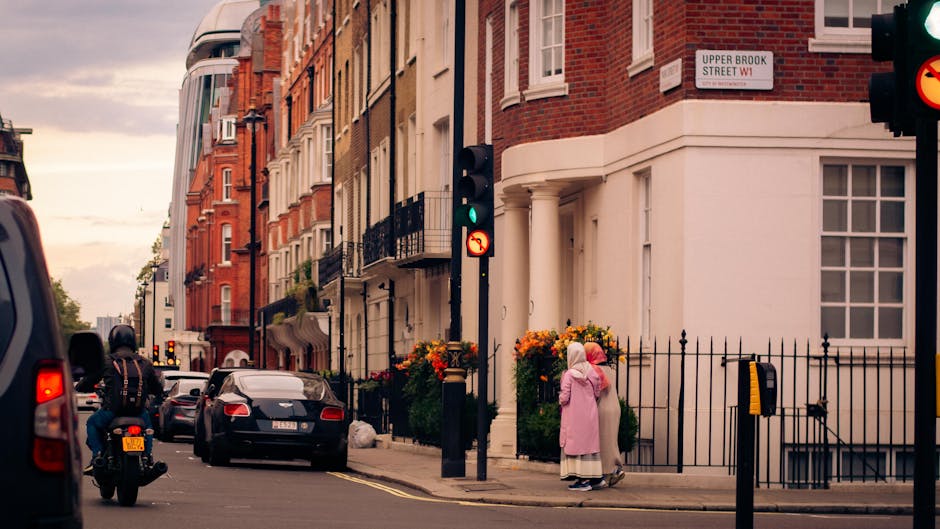
Why Understanding Narrow-Access Moves on W1 Streets Matters
W1 streets are a mix of beauty and logistical headaches. That is the honest truth. They are often elegant, historic, and desirable, but also narrow, busy, and full of obstacles that do not show up on a glossy listing photo. A van can be too large for the road layout. There may be limited stopping space. Railings, bollards, basement steps, basement lights, low arches, and tight corners all affect how safely furniture can move.
When people underestimate narrow access, the day can unravel quickly. A wardrobe may not fit through the front door without dismantling. A parked car may block the loading point. A lifting plan may be needed for a heavy item that cannot be carried in the usual way. And if the move is in a busy part of Marylebone, timing matters just as much as muscle.
Why does this matter so much? Because a removal is not just a transport job. It is a sequence of decisions. Good access planning protects your belongings, reduces delays, and lowers stress. It also helps avoid awkward moments with neighbours, building managers, or drivers who are trying to squeeze a van into a street that was clearly not designed for modern traffic.
In our experience, the difference between a smooth move and a chaotic one often comes down to the first ten minutes on site. If the crew knows the access constraints, they can adapt. If they do not, everyone ends up improvising. And improvising with a sofa in a narrow hallway is never ideal. Not even close.
How Understanding Narrow-Access Moves on W1 Streets Works
Narrow-access moving starts long before moving day. It begins with an assessment of the property, the street, and the items being moved. A proper mover will want to know the width of the road, the availability of parking or loading bays, the number of floors involved, the size of stairwells, whether a lift is available, and whether any furniture needs dismantling.
On W1 streets, the practical setup often looks like this:
- The vehicle is selected for the road and access conditions, not simply for maximum capacity.
- The crew plans a safe walking route from van to property.
- Fragile or oversized items are separated early so they can be handled first or with extra care.
- Protective materials are used to reduce scuffs on walls, bannisters, and floors.
- Parking and timing are coordinated to minimise obstruction and wasted carrying distance.
Sometimes the move can be completed with a standard van and a careful team. Other times, a smaller vehicle or a man-and-van option in Marylebone is a better fit, especially where streets are tight and access is unpredictable. For heavier loads or full households, a larger removal setup may still be possible, but the route and loading method need to be thought through properly.
There is also the human side of it. A narrow staircase in a period property feels very different from a straight modern corridor. You can hear the echo, feel the drag of the item in your hands, and suddenly every corner matters. That is why experienced crews tend to move slowly and deliberately in these spaces. Speed helps, but control helps more.
Key Benefits and Practical Advantages
Done well, a narrow-access move does much more than get items from A to B. It reduces risk, saves time in the long run, and makes the whole day feel manageable rather than frantic.
1. Better protection for your belongings
Fewer rushed turns and fewer last-minute squeezes mean less chance of damage. This matters most for items with awkward shapes: sofas, beds, mirrors, artwork, dining tables, and large cabinets.
2. Less disruption on a busy street
W1 streets are often active from early morning onward. A well-planned move keeps the van stop short, the carry route efficient, and the neighbours less annoyed. Let's face it, nobody wants to be the household that blocks the entire road for an hour.
3. A more realistic moving day
People sometimes assume a move is "just a few boxes and a van." But if access is tight, realism matters. Planning for narrow access means fewer surprises and better timing, especially if you are moving from a flat or older building.
4. Easier handling of special items
Some items need specialist care, such as upright pianos or unusually heavy furniture. If that sounds familiar, a dedicated piano moving service in Marylebone can be a sensible route, because the handling method and access planning are different from a standard house move.
5. More confidence for the customer
Once you know the access plan, the job feels less mysterious. You can prepare properly, inform the building, and avoid that last-minute panic where everyone is looking at the front door as if it might somehow widen itself.
Who This Is For and When It Makes Sense
Narrow-access moving is relevant to more people than you might expect. In W1, it is common for residents and businesses to face a mix of older architecture, limited parking, controlled streets, and shared entrances. If any of the following sound familiar, this topic is for you.
- You live in a flat with a tight stairwell or lift access that is too small for larger items.
- You are moving from a mews property, mansion block, or converted building with awkward entry points.
- You need to move furniture through a shared hallway or basement entrance.
- You are relocating an office in central London where loading time is limited.
- You are moving on a street where a full-size van would be difficult to position safely.
- You have bulky items that need careful route planning, not just carrying strength.
It also makes sense if you are comparing move types. For example, a student leaving a compact flat may need a lighter, quicker setup, while a family move from a larger property may require more coordination. If that is your situation, the student removals option and the house removals service can point you toward the sort of support that fits your scale of move.
Truth be told, narrow access is not always dramatic. Sometimes it is simply annoying. A few extra steps, a slightly awkward corner, a door that opens the wrong way. But those small friction points add up fast. That is why the right approach is worth taking seriously before the first box leaves the room.
Step-by-Step Guidance
Here is a clear, practical way to handle narrow-access moves on W1 streets without overcomplicating it.
- Check the access early. Look at the road width, stairwells, door frames, lift dimensions, parking restrictions, and any entry codes or building rules.
- Measure the large items. Do not guess. Measure sofas, mattresses, wardrobes, desks, and anything with fixed arms or legs.
- Identify what may need dismantling. Beds, shelving, and some tables often move better in parts.
- Plan the route inside the building. Front door to hallway to stairs to loading point. Simple on paper, trickier in practice.
- Choose the right vehicle and team size. A smaller van can be far better than a bigger one if street access is limited.
- Set the timing carefully. Earlier slots can help with loading, but the best time still depends on traffic, neighbours, and any building constraints.
- Protect the property. Use covers, blankets, and floor protection where needed.
- Load in a sensible order. Heavy and awkward items first, then lighter boxes, then fragile items secured properly.
- Keep communication open. One person should coordinate who is doing what. Too many instructions at once just creates noise.
- Allow a margin for delays. Narrow-access jobs often take longer than a straightforward suburb move. That is normal.
If you are still deciding between a van-only approach and a more full-service move, a broader removals service in Marylebone can be helpful when the access problems are part of a larger move plan.
Expert Tips for Better Results
Small decisions make a big difference on W1 streets. Here are the things experienced movers tend to pay attention to first.
Measure with the packaging in mind
People sometimes measure the sofa, but not the sofa plus blanket wrapping. That extra padding matters. It can be the difference between a clean pass and a scratched wall. Measure the item as it will actually travel, not just as it sits in the room.
Walk the route before the move starts
A quick walk from front door to van can reveal the problem corner, the uneven pavement, or the awkward gate that you forgot about. This sounds basic, but it saves time.
Disassemble earlier than you think
If something might need taking apart, do it before the pressure is on. Waiting until the team is already at the door is a recipe for stress, and usually one missing screwdriver.
Use the quietest route possible
On a busy street, there is a practical advantage to choosing the least disruptive path, even if it is not the shortest in metres. Sometimes the route with fewer people, fewer kerbs, and fewer sharp turns is simply the better route.
Keep essential tools together
Tape, labels, allen keys, a torch, and a Stanley knife should not be scattered across different rooms. That is how jobs slow down. Keep a small kit ready.
One more thing. If your move involves mixed household contents and some storage in between, it may be worth considering storage in Marylebone so you are not forcing every item through tight access on the same day. That can take a lot of pressure off the schedule.
Common Mistakes to Avoid
Most narrow-access problems are preventable. The trouble is, the mistakes are often made before anyone realises there is a problem.
- Assuming the van will fit just because the street looks wide enough. Photo perspective is deceptive. Always check the actual access.
- Forgetting about parking and stopping restrictions. A van that cannot stop safely is not much help.
- Not measuring the largest item first. The biggest piece is usually the one that decides the plan.
- Leaving dismantling until moving day. That creates delay and pressure, especially on shared stairways.
- Ignoring building rules. Some properties have booking windows, lift protection requirements, or specific moving times.
- Overpacking boxes. Heavy boxes make stair carrying harder and increase risk to backs, floors, and corners. Nobody enjoys the box of doom.
- Underestimating weather. Rain, wind, and wet pavements matter more when access is tight and every turn is slower.
A quiet mistake is also this: trying to do everything in one go. Sometimes people push for the quickest possible move because they want the day over with. Understandable, of course. But a slightly slower, better-organised plan is usually the safer one.
Tools, Resources and Recommendations
You do not need a van full of specialist kit to manage narrow-access work, but the right basics help a lot. Good movers usually rely on a mix of planning tools and physical equipment.
- Measuring tape for furniture, doorways, and stair widths.
- Furniture blankets and covers to reduce scratching and scuffing.
- Straps and trolleys for safer handling of heavier items.
- Labels and marker pens so boxes are grouped logically.
- Basic dismantling tools for beds, shelves, and flat-pack items.
- Floor protection for properties with polished surfaces or older finishes.
- Clear move notes listing access codes, loading instructions, and special items.
If you are still comparing how much support you need, it can be useful to review man-and-van support in Marylebone alongside a more structured moving option. For smaller loads or lighter access challenges, that can be perfectly sensible. For larger jobs, a dedicated vehicle and crew may be the better call.
You can also use practical planning pages like packing and boxes guidance to reduce the strain on move day. The better packed the load, the easier the carry. Simple, but true.
Law, Compliance, Standards, or Best Practice
For narrow-access moves in London, the main compliance issues are usually practical rather than dramatic. You are dealing with access rules, parking restrictions, building policies, health and safety duties, and sensible handling standards. Exact requirements vary by street and property, so it is wise to check details in advance rather than assume a standard move will work everywhere.
In practice, a professional mover should take care over:
- Safe lifting and carrying techniques
- Protecting common areas from damage
- Avoiding obstruction where possible
- Respecting building access procedures
- Using suitable vehicles for the street and load
- Handling fragile or heavy items with proper care
If you are moving from or into a managed building, the property may have its own move-day rules. That might include lift booking, time windows, floor protection, or advance notice. These are not just admin hassles. They can prevent disputes and delays. It is also sensible to review a company's health and safety policy and its insurance and safety information before booking, especially if your move includes awkward access or valuable items.
And if you want to understand the wider company approach, it never hurts to look at the about us page and the terms and conditions. Not thrilling reading, granted. Still useful.
Options, Methods, or Comparison Table
There is no single "best" way to handle narrow access. The right method depends on property type, load size, timing, and how tight the street really is. Here is a practical comparison.
| Method | Best for | Strengths | Trade-offs |
|---|---|---|---|
| Small van / light-load move | Compact flats, student moves, a few key items | Easier on tight streets, quicker parking, less disruption | Limited capacity, may need more trips |
| Standard removals vehicle | Medium household or office moves with manageable access | Balanced capacity and efficiency | Can be awkward if the street is extremely tight |
| Man and van approach | Smaller moves or flexible collections | Adaptable, often good for irregular access | Not ideal for larger households or bulky loads |
| Full-service removals team | Whole-home moves, heavy items, complex access | More support, better coordination, safer handling | More planning needed, may take longer to organise |
For office relocations or business equipment, the picture is similar, though the pressure points are different. Desks, filing cabinets, computers, and shared workspaces all need a carefully planned process. If that is your move, the office removals page is worth considering because it aligns well with the extra coordination that business moves usually require.
Case Study or Real-World Example
Imagine a second-floor flat on a W1 street with no lift, a narrow internal staircase, and one large sofa that has to go. The street has limited stopping space, and the front entrance opens onto a tight hallway. On paper, it sounds manageable. In reality, the sofa needs careful turning, the legs may need removing, and the van cannot just sit outside for as long as everyone would like.
Here is how a good team would typically handle it. First, they would check the dimensions and decide whether the sofa can pass through assembled. If not, they would prepare for partial dismantling or a different handling method. Next, they would plan the entry route, protecting walls and corners before anything starts moving. The van would be positioned as close as possible to the property without causing unnecessary obstruction. Then the item would be carried slowly, with one person guiding the corners and another supporting the weight evenly.
Now compare that with a rushed approach. The wrong vehicle, no route check, no protective covers, and a last-minute attempt to "just see if it fits." That sort of move can become messy very quickly. A scratched banister here, a bent sofa leg there, and suddenly the whole thing costs more in stress than it should have.
That is why local experience matters. In a place like Marylebone, narrow-access moves are less about brute force and more about judgement. Small details. Timing. Positioning. Patience. All the boring stuff, frankly, but it is the boring stuff that saves the day.
Practical Checklist
Use this checklist before a narrow-access move on a W1 street. It keeps things honest.
- Measure doorways, hallways, stairs, and large furniture.
- Check for lifts, codes, keys, and building booking rules.
- Confirm whether parking or stopping is realistically possible.
- Decide which items need dismantling before move day.
- Pack heavy boxes sensibly and keep weight manageable.
- Set aside labels, tools, tape, and protective materials.
- Tell neighbours or building management if notice is required.
- Confirm the vehicle size and crew setup in advance.
- Prepare fragile items separately and label them clearly.
- Keep one point of contact for move-day decisions.
Expert summary: if your property access is tight, the smartest move is almost never the fastest-looking one. It is the one that respects the building, the street, and the reality of carrying furniture through awkward spaces. A little planning up front saves a lot of hassle later.
Conclusion
Understanding narrow-access moves on W1 streets is really about removing uncertainty before it turns into a problem. Once you look closely at the street layout, the property access, and the items you are moving, the job becomes much easier to manage. That is the point. Not perfection. Just a move that feels controlled, safe, and realistic.
If you are planning a move in Marylebone or anywhere with tight access, it helps to think in terms of route, vehicle, protection, and timing rather than simply "how many boxes do I have?". That small shift in mindset makes a big difference. And if you want to explore broader moving support options, you may also find the pages on removal vans, removal services in Marylebone, and pricing and quotes useful as you compare your next step.
Get a free quote today and see how much you can save.
Sometimes the best move is the one that looks carefully before it lifts anything at all.