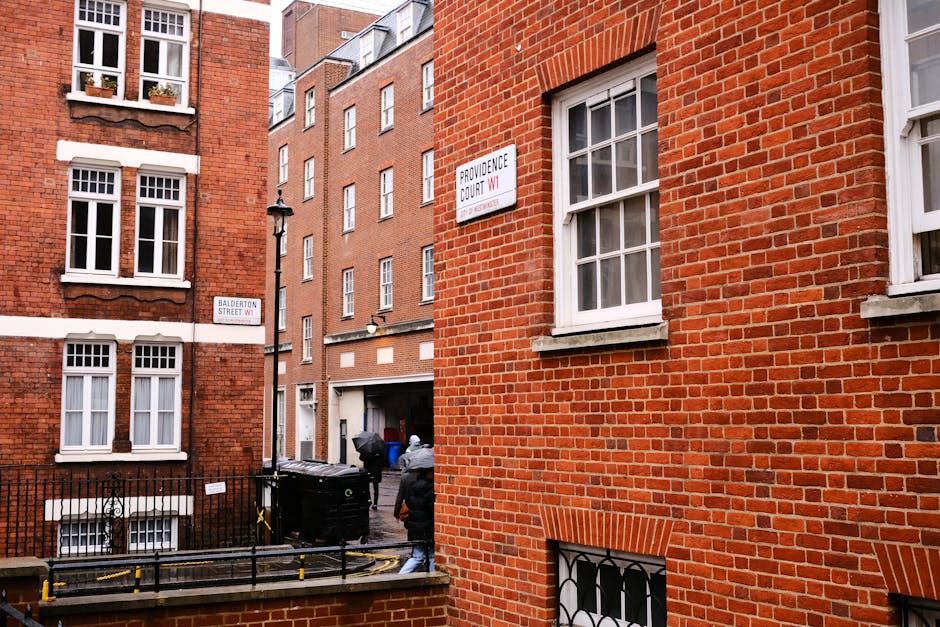
Do You Need a Skip Permit in Marylebone? Rules & Costs
Posted on 05/07/2026
Do You Need a Skip Permit in Marylebone? Rules & Costs
If you are planning a clearance, renovation, or a big declutter in Marylebone, there is one question that can save you a proper headache: do you need a skip permit in Marylebone? The short answer is often yes if the skip will sit on a public road, and that matters more than people expect. In a place like Marylebone, where streets can be tight, parking is scarce, and access is often a bit of a puzzle, the permit side of the job is not just admin. It shapes the whole project.
This guide breaks down the rules, the likely costs, how the process usually works in Westminster, and what to do if you want the least stressful route. I'll keep it plain-English, practical, and grounded in real-world situations, because let's face it, nobody wants to discover permit problems after the skip has already turned up.

Contents
- Why skip permit rules matter in Marylebone
- How the permit process works
- Key benefits and practical advantages
- Who needs a permit and when it makes sense
- Step-by-step guidance
- Expert tips for a smoother job
- Common mistakes to avoid
- Tools, resources and recommendations
- Law, compliance, standards and best practice
- Options and comparison table
- Case study example
- Practical checklist
- Conclusion
- Frequently asked questions
Why Do You Need a Skip Permit in Marylebone? Rules & Costs Matters
Marylebone is one of those London areas where the "simple" jobs tend to become slightly less simple. A skip may seem like a straightforward solution for waste removal, but the moment it sits on a public highway, the rules change. That is where the permit comes in.
A skip permit is generally required when the skip is placed on the road, in a parking bay, or anywhere that is not private land. If it stays wholly on a driveway or other private area, you may not need one. That sounds neat on paper. In practice, many Marylebone properties do not have generous private space, and even when they do, access can be narrow enough to make positioning awkward.
Why does this matter so much locally? Because Marylebone streets are busy, often lined with residential parking controls, and can be unforgiving when a large container is placed badly. A permit helps keep the arrangement legal and avoids unexpected fines, complaints, or an enforced removal. It also protects pedestrians, cyclists, and vehicles. Truth be told, skips parked badly in central London can create problems fast.
It's also worth separating two things that people sometimes mix up: a skip permit and a parking suspension or parking bay permission. In some cases the skip hire company handles the permit side for you. In other cases, the council expects the applicant to coordinate the application before delivery. The exact route can vary depending on the setup, so checking early is the sensible move.
If your project is part of a home move rather than a clearance, you might also want to look at removals in Marylebone and the local challenges that come with them. For awkward access, a skip is not always the best first option anyway.
How Do You Need a Skip Permit in Marylebone? Rules & Costs Works
The process is fairly standard, but the details matter. First, work out where the skip will go. If it's on private land, the permit issue may disappear entirely. If it must go on the road, a permit is usually needed before delivery. That part is non-negotiable in most cases.
Usually, the skip hire company will ask for the address, the proposed location, the size of skip, and the dates you want it in place. In Marylebone, timing can matter quite a bit. A weekday delivery on a narrow street is a different beast from a quiet weekend slot. Some roads are much trickier than they look when you stand there with a cup of coffee and a tape measure in your head.
Once the paperwork is in motion, the skip should only be delivered after permission is in place. If a permit is refused, delayed, or requested in a different format, the hire plan may need adjusting. That is why "book it all at the last minute" is a risky strategy, especially in central London.
As for costs, there are usually two parts:
- Skip hire cost for the container itself, size dependent
- Permit cost or administration charge for road placement
Permit charges can change, and they may differ depending on the street, duration, and council administration. It is safer to treat any published figure as an estimate rather than a guarantee. If someone gives you a very definite number without context, be cautious. Costs for skip permits in Marylebone are not usually the biggest part of the bill, but they can still be enough to catch you out if you didn't budget for them.
For people comparing waste removal against alternatives, it can help to think about the full project cost, not just the container price. If you are already managing a move, a more flexible option such as a man and van in Marylebone or a dedicated removal van may be more practical than sitting a skip outside for days.
Key Benefits and Practical Advantages
There are good reasons people still choose skips, even in a place as access-sensitive as Marylebone. If the job is right for one, it can make everything simpler.
1. One place for mixed waste
For renovation debris, old furniture, packaging, broken fixtures, and general clutter, a skip gives you a single collection point. That can be a relief when the property is full and the rubbish is spread across rooms.
2. Less back-and-forth
Instead of repeated tip runs or loads into a small vehicle, you can fill the skip gradually. This is especially handy during refurbishments that happen over several days.
3. Helpful for bigger household clear-outs
If you are emptying a flat, dealing with a probate property, or clearing a storage-heavy home, a skip can take the pressure off. It is not glamorous, but it works.
4. Useful during moving and renovation overlap
Marylebone residents often juggle several tasks at once: a sale, a move, a refurb, maybe storage too. In those moments, waste removal has to fit around access windows and parking restrictions. A skip can be one part of that plan, though not always the best whole solution.
5. Can be more predictable than ad hoc disposal
Once the permit and hire are arranged, you know what you have on site and how long it stays there. That predictability helps with project planning. And in central London, predictability is worth something.
If your job also involves heavy items, fragile items, or awkward stair access, it may be worth comparing against furniture removals in Marylebone or even bulky furniture moves in Marylebone planning. A skip is useful, but not every problem is a skip-shaped problem.
Who This Is For and When It Makes Sense
This topic matters to a surprisingly wide group of people. It is not just for builders or landlords.
- Homeowners doing decluttering, decorating, or structural work
- Landlords clearing a flat between tenancies
- Tenants emptying a property before moving out, where permitted
- Property managers handling refurbishments or waste from maintenance work
- Small businesses clearing office junk or fit-out waste
- Contractors needing short-term waste containment
It makes sense if you have a fair amount of waste that cannot easily be loaded and removed in one go. It may also make sense if your work is spread over several days and you need a fixed place to deposit material.
But if access is very tight, parking is limited, or the building sits on a heavily controlled street, a skip may be less convenient than a managed removal service. In those cases, checking options early is sensible. The local environment in Marylebone can be unforgiving if you guess wrong. You'll notice that quickly.
For moving-related jobs, many people first review narrow access moves on W1 streets before deciding on a skip at all. That is usually a good instinct.
Step-by-Step Guidance
If you want the process to go smoothly, follow a practical order rather than rushing into hire decisions.
- Assess the waste
Work out what needs removing. Is it household junk, mixed renovation waste, bulky items, or green waste? The type and volume affect skip size.
- Check whether private placement is possible
If the skip can sit on private land, you may avoid the permit altogether. That can save time and reduce admin.
- Speak to the skip provider early
Ask whether they handle the permit application, what they need from you, and how long approval usually takes. Do not assume they all operate the same way.
- Plan the delivery site carefully
Think about footpath clearance, turning room, road width, and visibility. In Marylebone, a couple of inches can matter. Slightly dramatic, but true.
- Confirm the hire duration
Make sure the skip stay matches the work schedule. Longer stays may mean extra cost or renewed permission.
- Fill safely and legally
Do not overload the skip, and do not put restricted materials inside unless the provider explicitly allows them.
- Arrange collection promptly
When the job is done, get the skip removed quickly so the street can return to normal. Neighbours tend to appreciate that.
If this is part of a moving project, it may help to compare it with local moving support such as house removals in Marylebone or flat removals in Marylebone. Sometimes the cleaner option is to remove the contents directly rather than staging waste outside for days.
Expert Tips for Better Results
After enough local jobs, a few patterns become obvious. Small improvements make a big difference.
- Measure the access properly. Don't just eyeball it from the pavement. A skip lorry needs room to stop, unload, and leave without blocking the street for too long.
- Book ahead where possible. Short-notice arrangements are possible in some cases, but Marylebone is not the place to rely on optimism alone.
- Match the skip size to the waste. Too small and you pay twice. Too large and you may pay for space you never use.
- Ask about restricted items. Plasterboard, mattresses, electricals, tyres, paints, and other specialist waste may have separate handling rules.
- Check whether your street has parking pressure. Even a permitted skip may be awkward if delivery vehicles cannot stop safely.
- Keep neighbours informed. A quick heads-up can avoid a complaint later. It's a small thing, but honestly it saves grief.
One practical observation: if your property is in a very central pocket near busy routes, the noise of delivery and collection can matter as much as the space itself. Early mornings tend to be calmer, though that depends on the street. Not everything can be controlled, but a bit of timing helps.
For routes, loading, and general street access, readers often find Marylebone High Street removal route tips surprisingly useful even when the job is waste-related. Access planning overlaps more than people think.
Common Mistakes to Avoid
This is the part where many otherwise sensible projects stumble. Nothing dramatic. Just avoidable friction.
- Assuming no permit is needed. If the skip touches public land, you usually need permission.
- Leaving it too late. A permit delay can throw off the whole schedule.
- Choosing the wrong location. A poorly placed skip can block pedestrians, bins, or resident access.
- Ignoring loading rules. Overfilled skips are a common issue and can lead to extra charges or refusal of collection.
- Forgetting about restricted waste. Not everything can be chucked in and forgotten.
- Not checking the total cost. People focus on the skip hire price and then get surprised by permit, extension, or extra-waste charges.
A very Marylebone-specific mistake is underestimating how much a tight street changes the logistics. What looks "fine" on a quiet Sunday morning can become impossible when delivery vans, taxis, and residents are all moving through by 8:30 a.m.
If your job includes packing, clear labelling, and a bit of sorting before removal, it can help to review packing and boxes in Marylebone before you decide what really needs to go into a skip.
Tools, Resources and Recommendations
You do not need fancy software or specialist gear for this, but a few simple tools make the process much easier.
- Tape measure for checking route width and placement
- Phone camera to photograph the proposed skip site and surrounding access
- Simple waste list so you can estimate volume honestly
- Calendar reminders for permit start and end dates
- Notes app for delivery instructions, gate codes, and contact details
For service planning, a broader view of available support can help. A local services overview is useful when you are comparing disposal, moving, and storage options in one place. You may also find storage in Marylebone relevant if you are clearing space gradually rather than all at once.
If your project is more about moving than dumping, comparing removal services in Marylebone with skip hire can save both time and a bit of cash. Sometimes the best solution is not the one that looks simplest on day one.
Law, Compliance, Standards, or Best Practice
For anything involving a skip on a public road, the safest approach is to treat compliance as essential, not optional. The exact permit process, responsibility split, and fee structure can vary by local authority practice and by the arrangement you have with the hire company. Because of that, avoid relying on hearsay from a neighbour or a generic London forum thread from three years ago. Those can be... creative.
Best practice usually includes the following:
- Obtain permission before delivery if the skip is on public land
- Keep the skip positioned safely and visibly
- Use suitable lights or markings if required by the hire provider or local rules
- Do not overload or place prohibited waste inside
- Arrange prompt collection once the work is finished
Good operators also think about road safety, pedestrian access, and waste segregation. If you are working around an occupied home, building, or office, coordination matters. The same goes for insurance. A well-handled skip job should reduce disruption, not add to it.
In Marylebone, this kind of careful planning pairs well with other move-day precautions. You might also want to review health and safety policy information and insurance and safety guidance if the skip is just one part of a larger removal or clearance project.
Options, Methods, or Comparison Table
Here is a simple comparison to help you decide whether a skip is the right fit.
| Option | Best for | Typical strengths | Possible drawbacks |
|---|---|---|---|
| Skip on public road | Large clear-outs, renovation waste, mixed debris | Easy to fill over time, good for bulky waste | Permit required, space pressure, road restrictions |
| Skip on private land | Homes with driveways, yards, or private forecourts | No permit in many cases, less street disruption | Space needed, access still has to work |
| Man and van collection | Fast disposal, tight access, one-off loads | Flexible, usually quicker, better for awkward streets | May require more hands-on sorting and loading |
| Full removal service | Moves, clearances, furniture, mixed household items | Less lifting for you, organised from start to finish | May cost more than self-managed disposal |
For many Marylebone properties, the decision comes down to access and convenience. If you have a flat, limited parking, and no private frontage, a skip can become more trouble than it is worth. A same-day removals service in Marylebone or a more tailored collection may work better when time is tight.
Case Study or Real-World Example
A typical local scenario goes like this. A couple in a second-floor Marylebone flat is refreshing the property before sale. They have old shelves, broken chairs, carpet offcuts, packaging, and a few tired bits from the kitchen. At first, they assume a skip will solve everything.
Once they check the street, though, the picture changes. The road is narrow, resident parking is tight, and delivery access is only really safe for a short window in the morning. The skip would need a permit, and the location would be a bit exposed. Nothing impossible, just slightly fiddly.
After comparing options, they decide on a mixed approach: a short-term removal van for the bulky items and a smaller waste solution for the leftover renovation debris. That ends up being calmer, faster, and easier to coordinate around neighbours. Their exact outcome may not be yours, of course, but that mix-and-match approach is very common in Marylebone. The best answer is often the practical one, not the default one.
We see similar thinking in other local situations too, such as transparent pricing and hidden removal fees discussions, where the real cost only becomes clear once access, parking, and extra handling are fully considered.
Practical Checklist
Use this before you book anything. It keeps the process tidy.
- Have you confirmed whether the skip will sit on private or public land?
- Have you checked if a permit is required for the exact location?
- Have you measured the space carefully, including turning room?
- Do you know what waste goes in the skip and what must stay out?
- Have you compared skip hire with removal or collection alternatives?
- Have you checked the likely hire period and collection timing?
- Have you budgeted for permit fees, hire fees, and possible extensions?
- Have you informed neighbours if the skip may affect access?
- Have you arranged waste sorting so the skip is filled efficiently?
- Have you confirmed who is responsible for the permit application?
That last one catches people out more often than you might think. A quick phone call can save a lot of back-and-forth later.
Conclusion
So, do you need a skip permit in Marylebone? If the skip is going on public road space, the answer is usually yes. If it can sit safely on private land, maybe not. The real trick is not guessing. It is checking the access, the placement, the timing, and the total cost before anything arrives.
Marylebone has its own rhythm: narrow streets, busy parking, changing traffic flow, and plenty of properties that demand a bit of planning. That doesn't mean skip hire is difficult, just that it needs a more careful approach than in a suburban driveway. Once you treat the logistics seriously, the job becomes much easier to manage.
And if the skip is not quite the right fit, that is fine too. A good plan is the one that suits the street, the property, and your sanity. Which, to be fair, counts for a lot.
Get a free quote today and see how much you can save.
If you are weighing up a clearance against a move, or just want a local team to help you choose the cleanest route, it is worth speaking with someone who understands Marylebone's access quirks and parking realities. A short conversation can spare you a long, annoying day.